
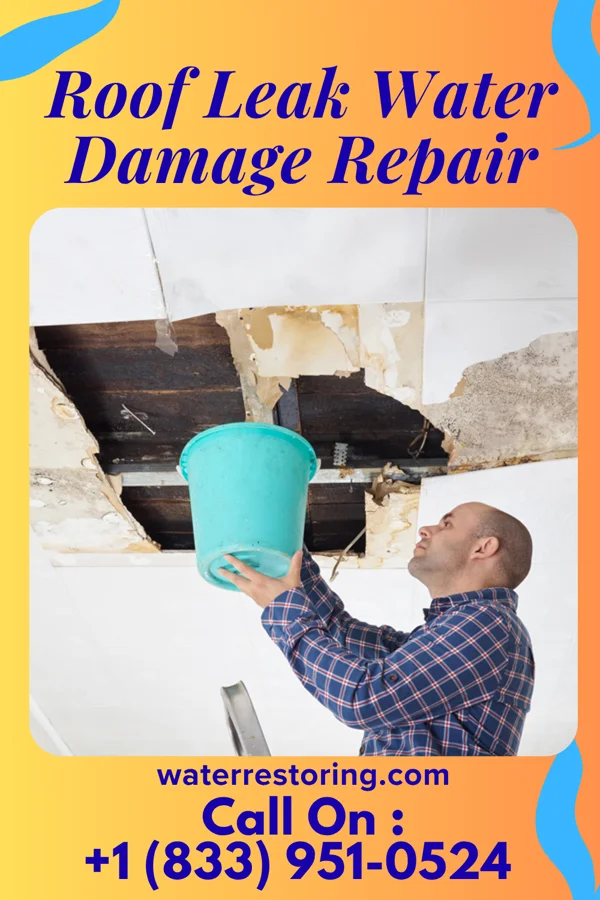
Why Roof Leaks Hit Millers Lake Hard
The pattern in Millers Lake is consistent. Millers Lake experiences frequent spring and summer thunderstorms, which can lead to sudden heavy rainfall and strong winds. These conditions often result in roof damage, especially on older or improperly maintained structures. The area is also prone to icy conditions in winter, increasing the risk of ice dams and subsequent water infiltration. drives most of the emergency restoration calls we get. A close second is The region's proximity to Barnes Lake and other water bodies can increase humidity levels, contributing to condensation issues in homes. Additionally, the rural setting means that stormwater runoff can accumulate around properties, leading to potential water seepage into basements and crawl spaces..
The climate in Millers Lake can lead to both immediate and long-term damage. Sudden weather changes, such as a warm spell followed by a freeze, can cause roofing materials to expand and contract, leading to cracks and leaks. Additionally, the high humidity levels can contribute to mold growth if water intrusion is not addressed promptly.
The climate in Millers Lake can lead to both immediate and long-term damage. Sudden weather changes, such as a warm spell followed by a freeze, can cause roofing materials to expand and contract, leading to cracks and leaks. Additionally, the high humidity levels can contribute to mold growth if water intrusion is not addressed promptly. The dominant local driver is Millers Lake experiences frequent spring and summer thunderstorms, which can lead to sudden heavy rainfall and strong winds. These conditions often result in roof damage, especially on older or improperly maintained structures. The area is also prone to icy conditions in winter, increasing the risk of ice dams and subsequent water infiltration., with The region's proximity to Barnes Lake and other water bodies can increase humidity levels, contributing to condensation issues in homes. Additionally, the rural setting means that stormwater runoff can accumulate around properties, leading to potential water seepage into basements and crawl spaces. showing up as the next most common cause. Damage builds in stages. Spread. Absorption. Microbial growth. Structural compromise. Every stage you pass through adds to the final bill.